
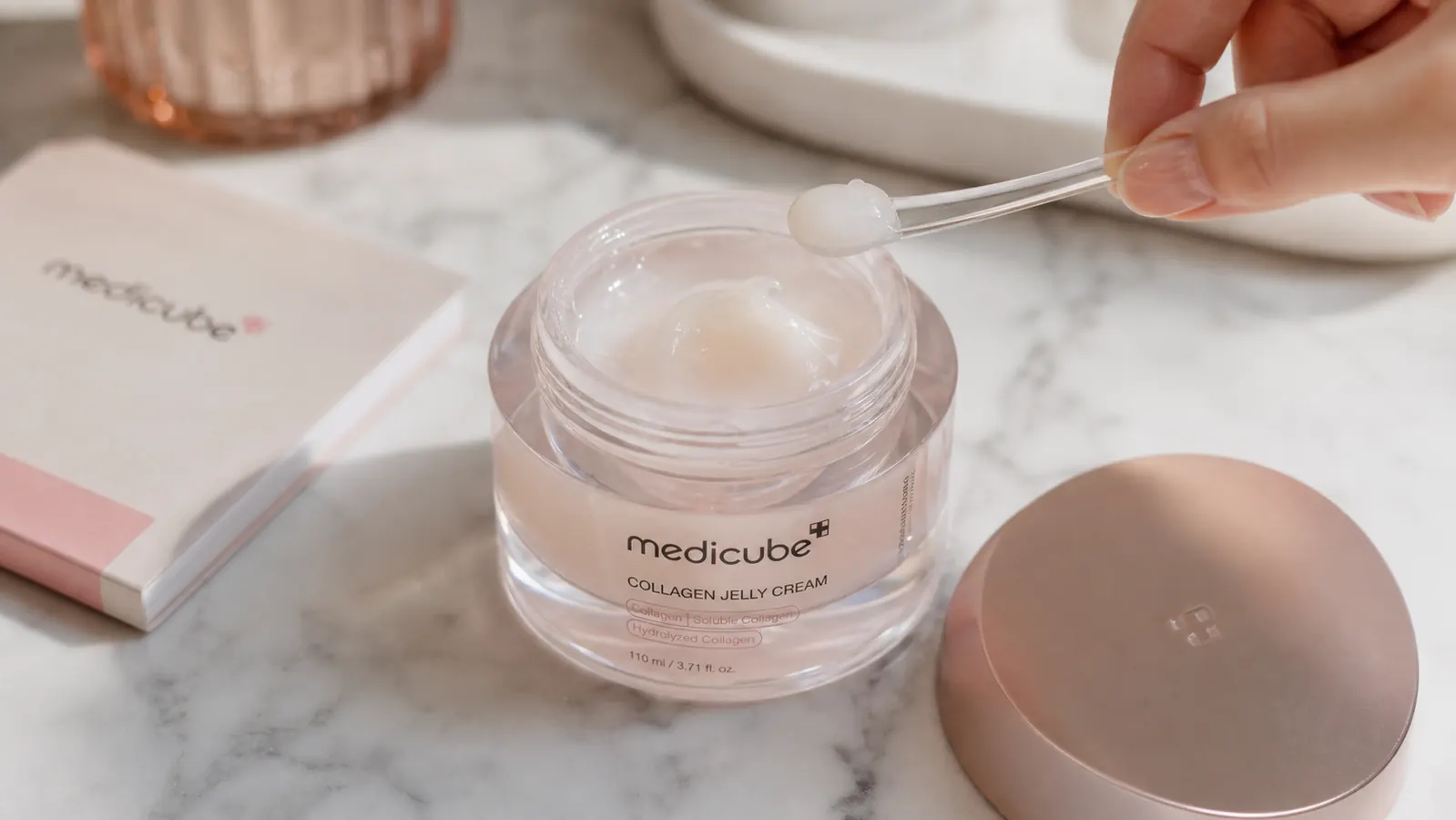
Here is something I have noticed: the word PDRN now appears on roughly one in three new K-beauty moisturizers. It sits right there on the front of the jar, usually in large font next to a headline about regeneration or renewal or glass skin. The problem is that PDRN can mean almost anything on a moisturizer label. It can mean a clinically meaningful concentration of polynucleotides, or it can mean a trace amount tucked near the bottom of the ingredient list to justify a marketing claim. Reading the label without knowing what to look for gets you nowhere.
The Anua PDRN Hyaluronic Acid 100 Moisturizing Cream has been selling steadily on Amazon, and I wanted to understand exactly what you are buying when you add it to your cart. Not the vibe of the marketing, not the aesthetic of the packaging. The formula itself. So I went through every key ingredient, thought about positioning, and asked the question nobody seems to bother with: does the label support the claims, or is PDRN doing overtime as a buzzword?
The Quick Verdict
A well-constructed lightweight moisturizer with a genuinely interesting supporting cast, but the PDRN concentration is not disclosed and HA-100 is a marketing label, not a clinical standard. Buy it for the texture and barrier support, not because you expect a polynucleotide treatment.
Amazon Check Today's Price →Your barrier needs more than a buzzword. Check whether Anua PDRN Cream is actually worth it.
Over 3,000 Amazon buyers have tried it. Here is the formula breakdown and the honest conclusion on whether it justifies the PDRN label.
Amazon Check Today's Price on Amazon →What 'PDRN' Actually Means on a Moisturizer (And Why It Matters)
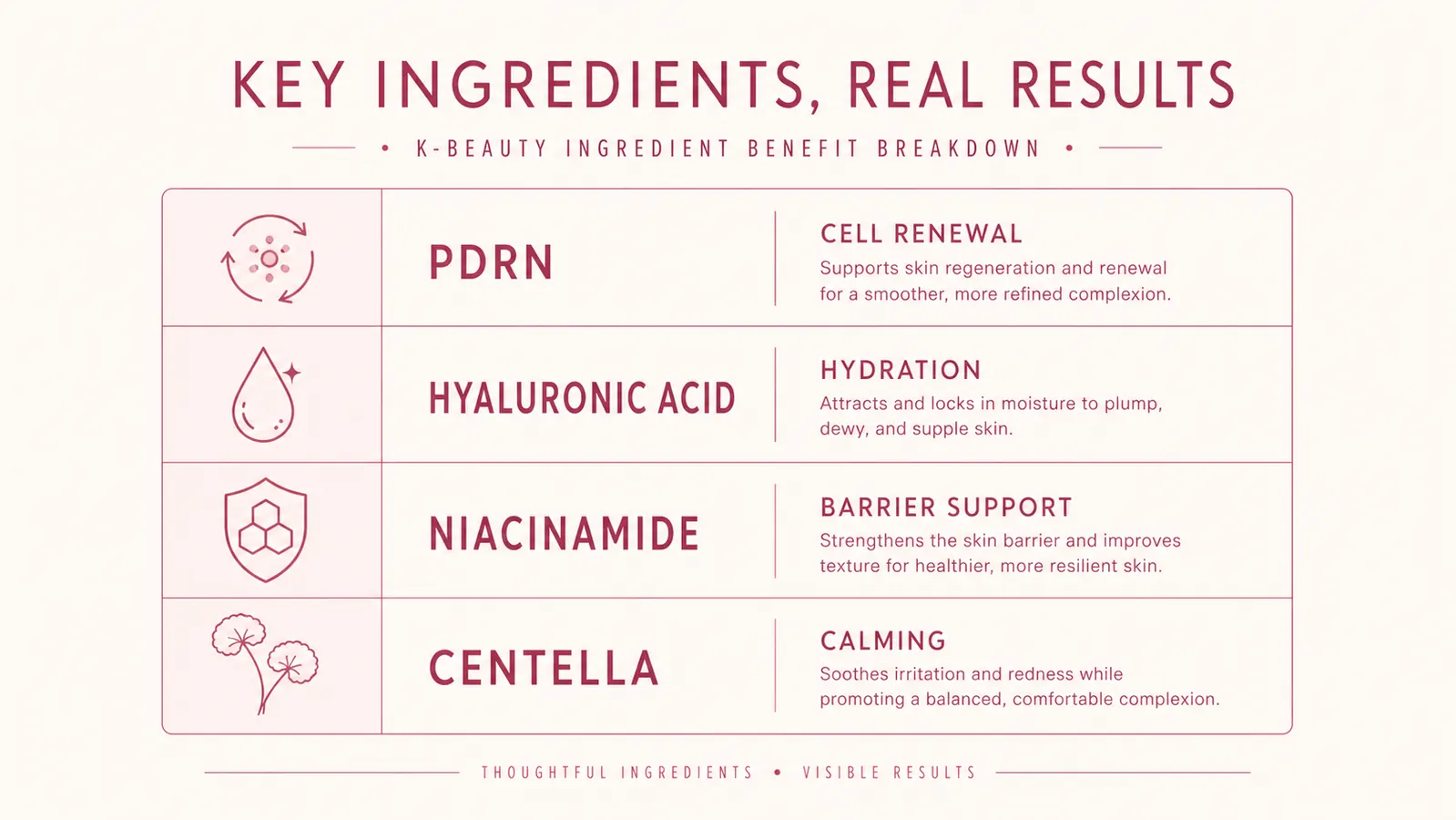
PDRN stands for polydeoxyribonucleotide, a fragment of DNA derived most commonly from salmon sperm or roe. In clinical dermatology it is used in injectable form for wound healing and scar revision. The mechanism is real: PDRN activates the A2A adenosine receptor pathway, which promotes fibroblast activity and collagen synthesis. Peer-reviewed research supports this for injectable applications at controlled concentrations.
Here is the thing nobody wants to say plainly: when PDRN is applied topically in a cream, the delivery story gets complicated. Polynucleotide chains are large molecules. Skin absorption through intact stratum corneum is limited, and most published research showing meaningful results uses injections or microneedling-assisted delivery. That does not make topical PDRN worthless. It means you should not expect the same outcomes as a clinic treatment, and you should be suspicious of any moisturizer claiming dramatic regeneration from a passive application.
Anua does not make aggressive regeneration claims for this cream, which is actually a point in their favor. The brand positions it as a hydrating moisturizer with PDRN as a supporting active, not as a substitute for clinical treatment. That kind of honest positioning is rarer than it should be in K-beauty marketing.
The 'Hyaluronic Acid 100' Claim: What It Does and Does Not Mean
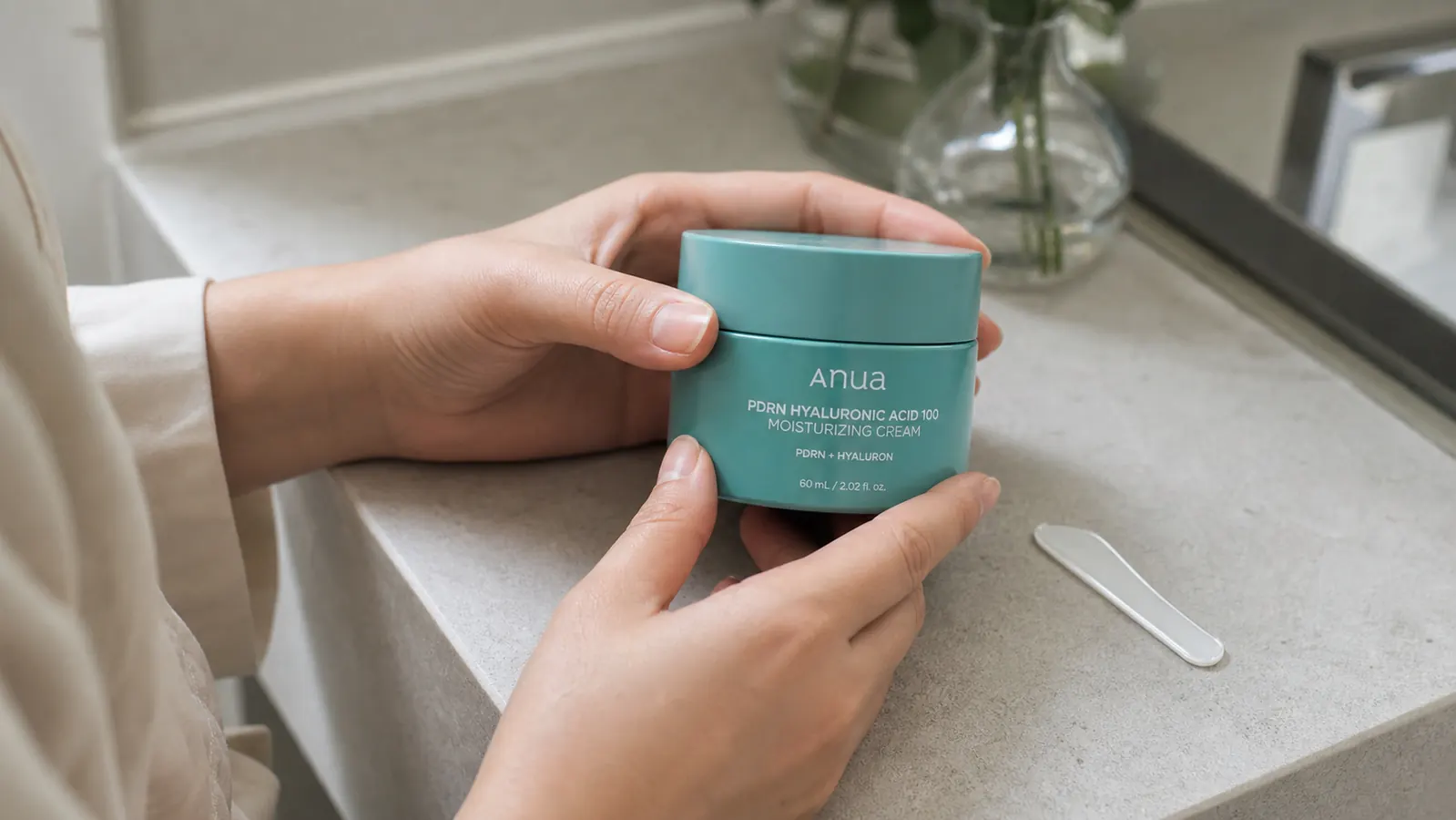
The name 'Hyaluronic Acid 100 Moisturizing Cream' sounds like it contains 100% hyaluronic acid, which would make it an unusable paste. What the branding actually refers to is a blend of multiple molecular weights of hyaluronic acid, typically abbreviated as HA. Anua uses the '100' to signal a multi-weight HA system: high molecular weight HA sits on the surface and creates a film that reduces transepidermal water loss; low molecular weight HA penetrates more deeply and draws moisture from within the dermis.
This is genuinely good formulation logic. Multi-molecular-weight HA gives you surface plumping and deeper hydration simultaneously. The issue is that 'HA 100' is Anua's own marketing label, not an industry standard or clinical certification. You cannot compare it one-for-one against a competitor using 'HA 5000' or 'HA 10' because those numbers come from proprietary naming conventions, not a shared scale. What you can say is that using more than one molecular weight of hyaluronic acid is better than using a single size, and the evidence in this cream suggests Anua has done that correctly.
Using more than one molecular weight of hyaluronic acid is better than using a single size, and the evidence in this cream suggests Anua has done that correctly. Whether the PDRN concentration clears a meaningful threshold is the question the label does not answer.
The Rest of the Formula: Where Anua Gets It Right
Beyond PDRN and HA, the formula carries a few ingredients that are doing real work. Niacinamide appears in most estimates at a functional level, which means it is contributing to barrier reinforcement, brightening, and sebum regulation. This is one of the most well-studied topical actives in skincare, with robust evidence at concentrations of 4% and above. Anua does not disclose the percentage, but its position in the ingredient list suggests it is present at a meaningful level.
Centella asiatica extract rounds out the calming tier. Centella contains madecassoside and asiaticoside, both shown to reduce inflammatory response and support the skin barrier. For sensitized skin, this is a useful addition. It also explains why many people with reactive skin report tolerating this cream well even during active breakouts or post-procedure recovery. The combination of niacinamide and centella is not a coincidence: these two ingredients amplify each other's barrier-calming effects when formulated together.
The emollient base is light. This is a gel-cream that spreads easily, absorbs within roughly 30 seconds, and does not leave residue. The texture works under SPF and under makeup without balling or pilling, which is a common failure point for K-beauty creams that include HA at higher concentrations. If you have oily or combination skin and have struggled to find a PDRN moisturizer that does not feel heavy through the afternoon, this texture profile is genuinely one of the better ones on Amazon.

What Nobody Tells You: The Concentration Problem
Here is the honest gap in this product's story. Anua does not disclose the concentration of PDRN in the formula. Neither does the Amazon listing. This is not unusual in K-beauty, where full transparency on active concentrations is still the exception rather than the norm, but it matters for a product where the primary marketing hook is a specific active ingredient.
Without knowing the concentration, you cannot verify whether the PDRN is present at a level that researchers have found to produce measurable benefit. Most literature on topical PDRN uses concentrations in the range of 0.1% to 3% depending on formulation and delivery method. A cream with PDRN listed in the latter half of the ingredient list may contain 0.01% or less, which is within the range of what a regulatory body would classify as a cosmetic rather than an active-level ingredient. This is not automatically a problem if you are buying the cream primarily for its hydration and barrier support, but it is the answer to the question 'is this actually a PDRN treatment.' Probably not in the clinical sense.
Compare this to a product like VT COSMETICS PDRN 100 Essence, which discloses a 100,000ppm concentration. Whether vegan PDRN at that concentration is bioequivalent to salmon-derived PDRN is a separate debate, but the transparency itself is a different standard. Anua's non-disclosure is industry-normal and not evidence of wrongdoing, but it is a limitation you should factor in before paying specifically for the PDRN benefit.
Fragrance, Alcohol, and Potential Irritants: What to Know
The formula does contain some fragrance components, though Anua has kept the scent very light. This is worth flagging for anyone with confirmed fragrance sensitivity. The cream smells faintly floral or neutral depending on the batch, and the fragrance concentration appears low enough that most people with normal skin will not react to it. But if you have a documented fragrance allergy or are recovering from a compromised barrier, patch-test first and give it 48 hours.
There is no denatured alcohol in the formula at a level that would be drying, which is good news. Many lightweight gel-creams achieve their texture by using alcohol as a solvent, which creates a temporarily matte finish while subtly disrupting the barrier over time. Anua appears to have gotten the lightweight texture through water-binding polymers and a lean emulsifier system rather than by sacrificing skin tolerance. This matters for the long-term comfort of the formula.
What I Liked
- Lightweight gel-cream texture absorbs quickly with no residue or pilling under SPF
- Multi-molecular-weight hyaluronic acid system provides both surface and deeper hydration
- Niacinamide and centella asiatica work well together for barrier reinforcement and calming
- Fragrance-forward competitors in this price range tend to irritate sensitive skin; this one is relatively restrained
- 4.4-star rating across 3,000-plus Amazon reviews with consistent praise for dewy finish without greasiness
- Works well as a final moisturizer step in a layered K-beauty routine without overloading the skin
Where It Falls Short
- PDRN concentration is not disclosed, so the polynucleotide benefit cannot be independently verified
- The 'Hyaluronic Acid 100' name is a proprietary marketing label, not a standardized metric
- Contains some fragrance components, which rules it out for true fragrance-free routines
- It is not the cheapest lightweight PDRN moisturizer on the market; there are leaner options
- Jar packaging exposes the formula to air and fingers with each use, which can degrade sensitive actives over time
Who This Formula Is Actually For
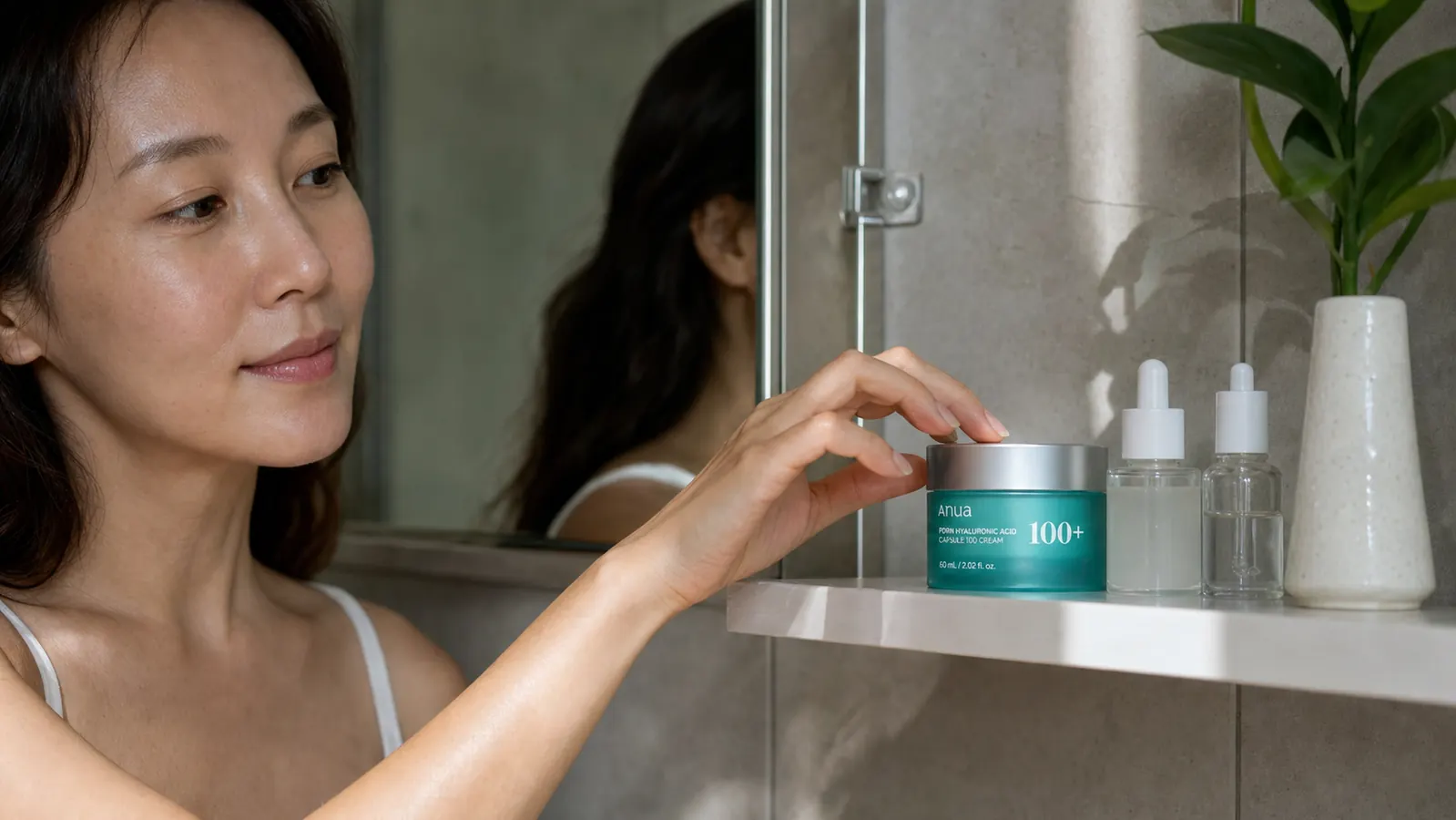
The Anua PDRN Cream lands best for a specific type of skincare buyer. If you have normal to combination skin that runs slightly dehydrated, you want a moisturizer that layers cleanly over serums without weight, and you are happy with a product that delivers honest hydration and barrier support, this formula earns its place. The niacinamide-centella combination makes it particularly well suited for post-exfoliation recovery nights, days when your skin is running reactive, or as a gentle re-entry moisturizer after a period of heavy actives.
It also works well for first-timers in the PDRN space who want to try the ingredient without spending more on a dedicated PDRN serum. Think of this cream as a low-stakes introduction: you get exposure to polynucleotides alongside a formula that is genuinely good on its own merits. If you love the skin feel and want to go deeper on PDRN, you can add a higher-concentration serum underneath later. The cream does not compete with dedicated actives; it supports them.
Who Should Skip It
If you are shopping specifically for a clinical-level PDRN topical treatment with disclosed concentration, this cream is not what you are looking for. You would be better served by a formula that leads with transparency on active levels. Similarly, if you have a documented fragrance allergy, the formula is not fragrance-free enough to be risk-free. If you have very dry skin that needs a richer occlusive, this lightweight gel-cream will not provide enough seal on its own and you will likely need to follow it with a heavier emollient. And if the jar packaging bothers you from a stability standpoint, there are tube or pump alternatives in the PDRN moisturizer category worth comparing. See the comparison between Anua and VT COSMETICS in the Anua vs VT PDRN Capsule Cream head-to-head for a side-by-side on those trade-offs.
There is also a practical note on the 10-week long-term use experience with this cream, which I cover in the companion piece at Anua PDRN Cream Review: 10 Weeks on Dehydrated, Sensitive Skin. That article focuses on what changed over time with consistent use, including how the skin responded through a particularly cold and dry stretch of weather. If you are trying to decide whether the formula holds up beyond the first tube, that is the right place to start.
For layering guidance on where this cream fits within a full K-beauty routine, including how to sequence it with a PDRN serum and what to avoid combining it with, see How to Layer PDRN Cream Into Your K-Beauty Skincare Routine Without Pilling.
Ready to try the Anua PDRN Cream without guessing whether it will work on your skin?
The formula is genuinely good as a lightweight hydrating moisturizer with niacinamide, centella, and multi-weight HA. If you go in with honest expectations about what topical PDRN delivers, it is a well-built daily cream worth the price. Check current availability and today's price on Amazon before it sells out.
Amazon Check Today's Price on Amazon →