
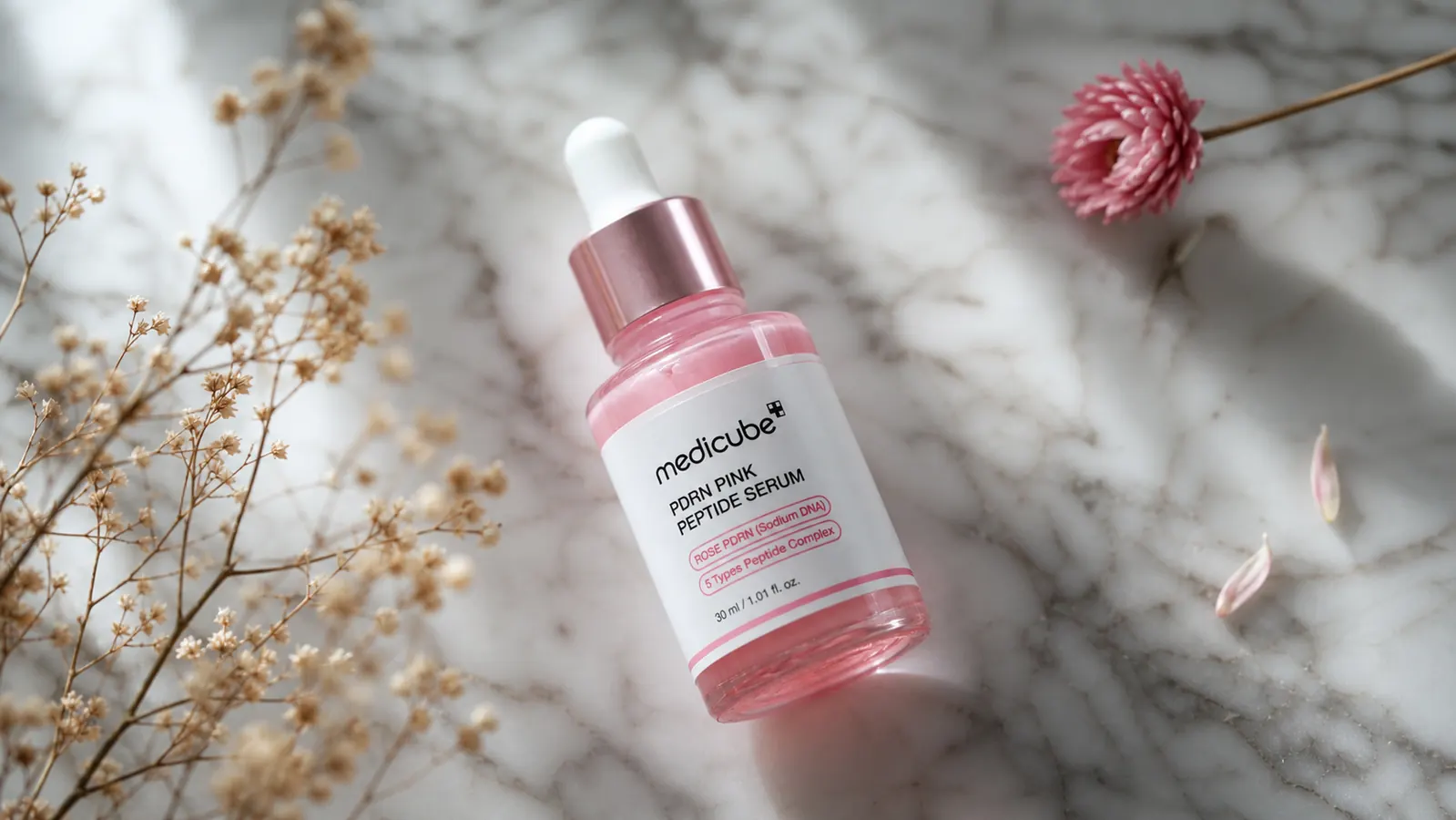
I have been reviewing K-beauty ingredients long enough to know when something is genuinely new and when something is just a clever rebrand of what came before. PDRN, short for polydeoxyribonucleotide, is the ingredient the industry has been calling 'salmon DNA' or 'salmon sperm facial' to get clicks. I understand why. 'Polynucleotide skin repair serum' doesn't write itself into a headline. But underneath the marketing nickname is a real ingredient with real clinical history, and the medicube PDRN Pink Peptide Serum is one of the most-purchased introductions to it on Amazon, with over 16,000 ratings at a 4.4-star average. I spent 90 days using it every single day to find out whether it earns that response.
My skin profile going in: I am 38, combination-to-dry, and what I would call moderately ingredient-aware. I have used retinol for six years, niacinamide for four, and peptides intermittently. I was not looking for a full-routine overhaul. I was looking to see whether a PDRN serum at this price could meaningfully add anything my existing routine was not already delivering. Spoiler: it can, with caveats.
The Quick Verdict
A genuinely effective PDRN entry point that delivers real texture improvement and glow over 8-12 weeks, held back by a slower start than the marketing suggests and a pH that makes layering a little tricky.
Amazon Check Today's Price →Before you spend more on serums that only hydrate for a day, check whether PDRN addresses the root issue
The medicube PDRN Pink Peptide Serum pairs PDRN with peptides and niacinamide in a single dropper bottle. Over 16,000 Amazon buyers have already tested it. See the current price and reviews.
Amazon Check Today's Price on Amazon →How I've Used It
My protocol was straightforward. Cleanser, toner, medicube PDRN serum, moisturizer, SPF in the morning. At night, cleanser, toner, serum, retinol on alternating nights, moisturizer. I did not skip days. I used three full droppers per application, covering my full face and neck. I documented my skin at weeks 1, 4, 8, and 12 with unedited photographs in consistent bathroom lighting.
I want to be specific about what this is not: a professional skin analysis. I am not a dermatologist and I did not have a clinician assess my skin before and after. What I have is consistent, careful observation over three months, which is more than you get from a first-impression review, and more representative of how most people will actually use this product.
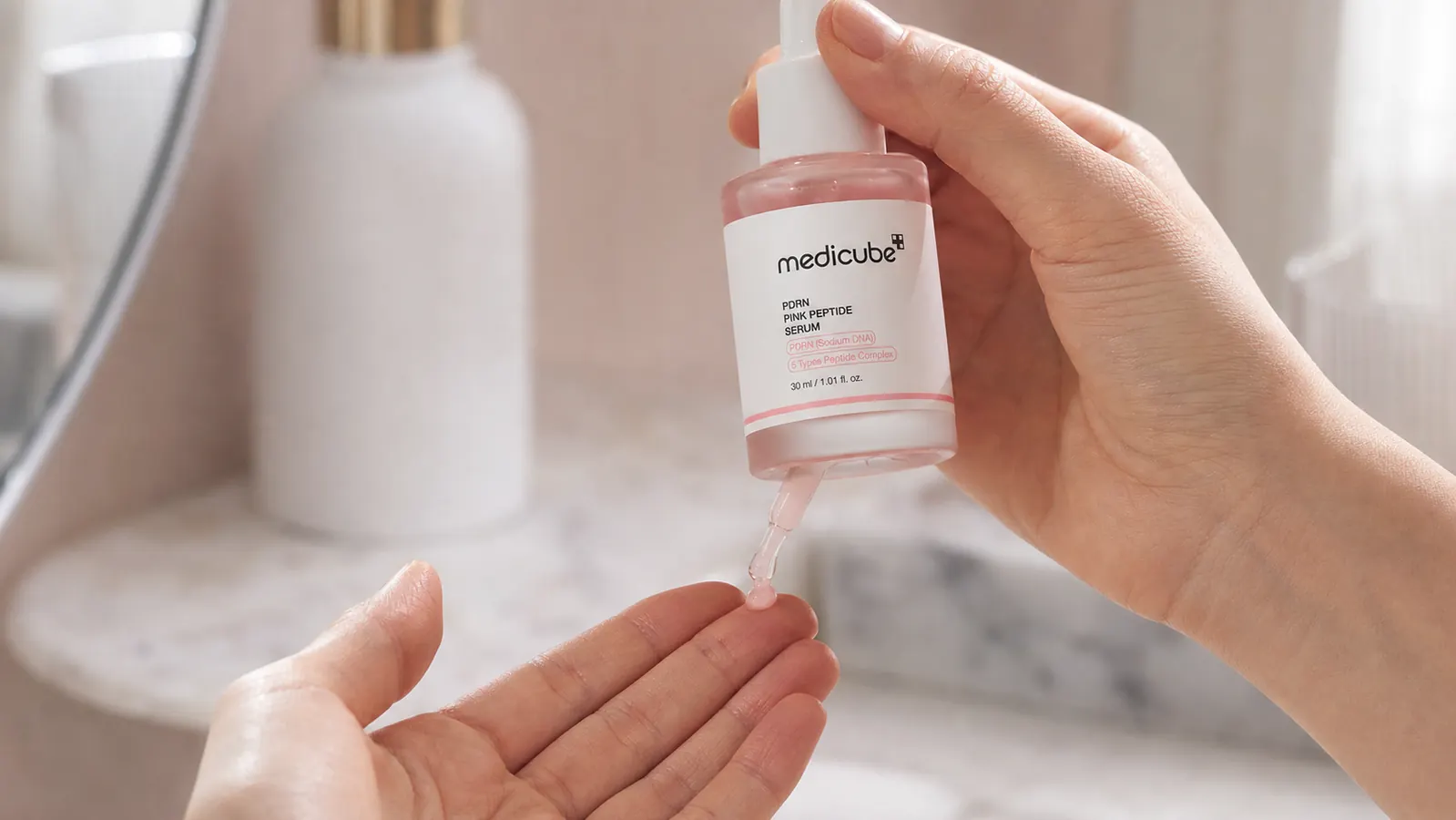
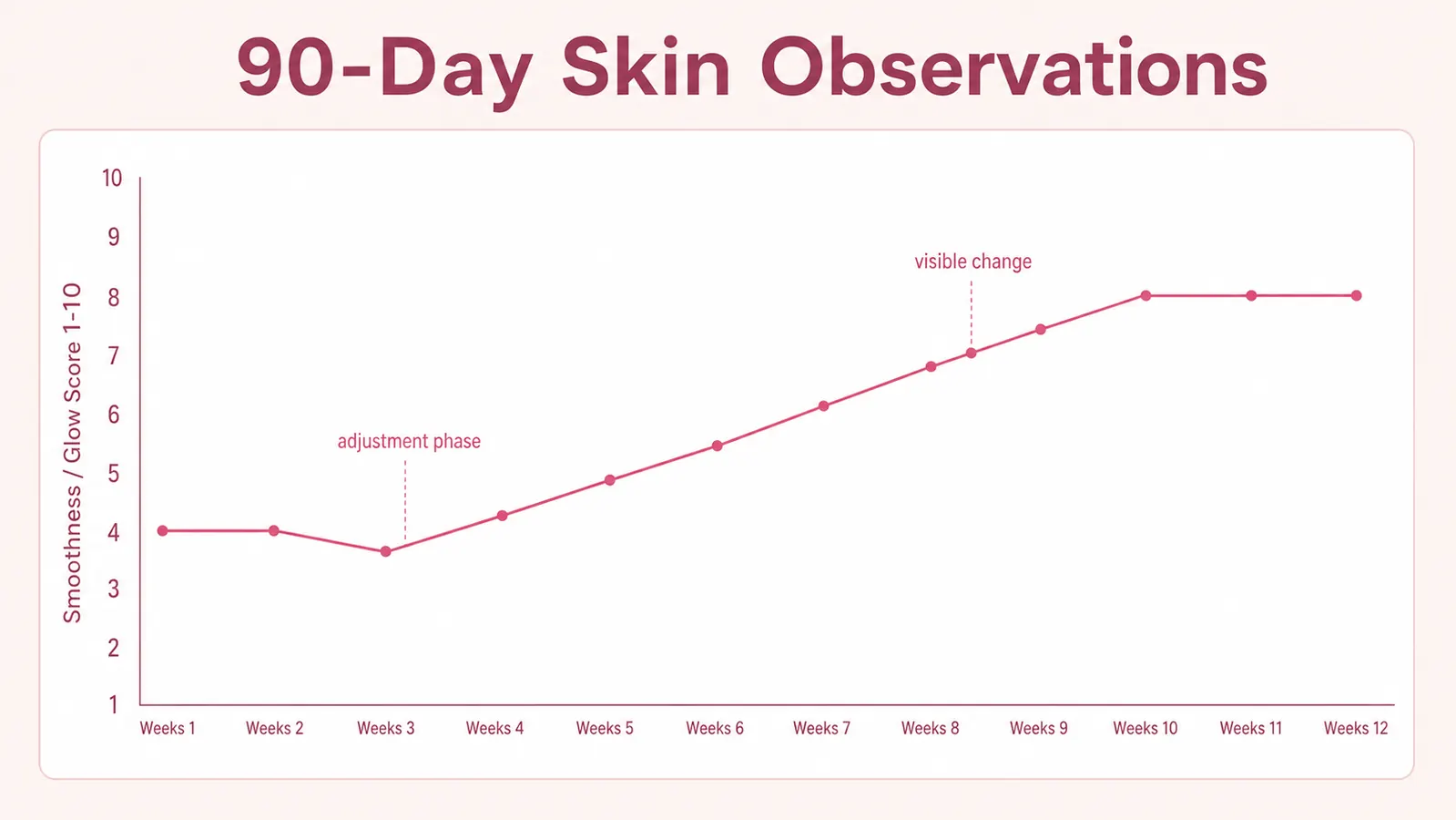
Weeks one and two: nothing dramatic. The serum goes on as a thin, slightly pink-tinted liquid that absorbs in under 60 seconds. Texture is water-thin, closer to an essence than a classic serum. No tackiness. Layers well under everything I use. I noticed my skin felt a little more plump after about day five, which I attributed partly to the hyaluronic acid in the formula, not the PDRN specifically.
What PDRN Actually Is and Why It Takes Time
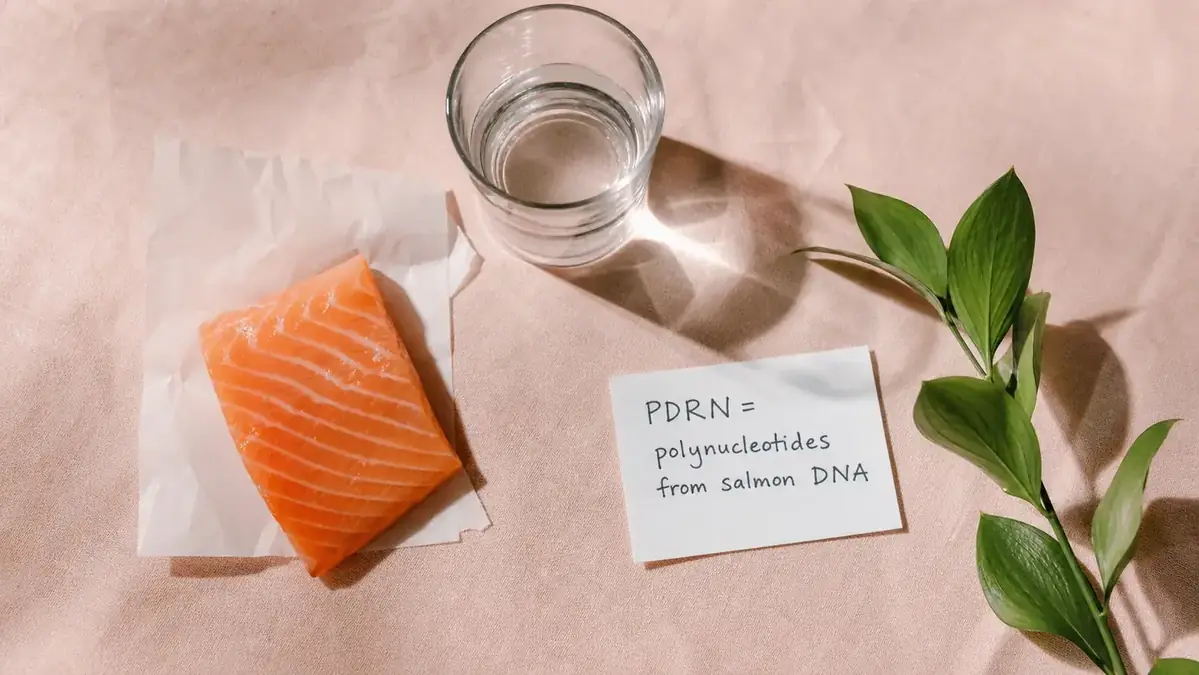
PDRN stands for polydeoxyribonucleotide. It is a chain of DNA fragments originally sourced from salmon sperm, though some formulas now use plant or synthetic alternatives. In clinical settings, injected PDRN has been studied for wound healing, tissue regeneration, and collagen stimulation. The cosmetic application is a step removed from that: topical PDRN cannot penetrate to the same depth as injected polynucleotides, so the mechanism is different.
What topical PDRN may do is activate the A2A adenosine receptor pathway on the surface of skin cells, which has been associated with reduced inflammation and signaling that supports the skin's own repair mechanisms. Think of it less like a filler and more like a message sent to your skin cells telling them to act younger. The catch: that process is gradual. Clinical trials on topical PDRN typically report meaningful changes at eight to twelve weeks, not two. If you are expecting a one-week glow transformation, this is the wrong product and the wrong ingredient.
The medicube formula pairs PDRN with three copper peptides and niacinamide at a concentration the brand states is sufficient for visible results. It also contains adenosine, a skin-aging-related ingredient that is well-studied for firming, and a modest dose of hyaluronic acid for surface-level hydration. This is a thoughtfully assembled ingredient panel, not a single-ingredient novelty product.
PDRN does not rush. By week eight my skin looked like it had quietly done some work while I was paying attention to other things. That is the only honest way I can describe it.
What Changed at Week 4, Week 8, and Week 12
Week four: I noticed the texture of my skin under foundation had improved slightly. The dry patches I normally get around my nose and chin were less pronounced. My pores looked slightly smaller in morning light, though I am cautious about attributing that to PDRN rather than simply to consistent moisturization. No dramatic changes.
Week eight: This is where I started to believe something real was happening. My skin had a consistency to it that I noticed more than a day after cleansing. Not a glossy artificial glow but a denser, more even quality to the surface. Fine lines around my eyes, which are my main concern, appeared slightly less defined in direct light. I showed my week eight photos to two friends who both independently said my skin looked 'healthy' without me prompting them.
Week twelve: The trajectory had leveled off, which I expected. The improvements from week eight held. I did not see further dramatic change between week eight and twelve, which suggests the serum had done what it could do at a surface level. Whether deeper regenerative effects continue past twelve weeks is something I cannot confirm from observation alone.
The Ingredient Label, Read Honestly
Medicube does not disclose PDRN concentration on the label, which is standard across the category. The product is marketed as a PDRN serum with peptides and niacinamide, and the ingredient list confirms PDRN (polydeoxyribonucleotide) is present. It does not appear at the top of the list, which means it is not the dominant ingredient by weight. That does not necessarily disqualify it: PDRN is biologically active in small amounts. But it is worth being clear-eyed about. You are not paying for a PDRN-only product. You are paying for a PDRN-plus-peptides-plus-niacinamide routine booster, which is honestly a more useful product for daily use.
The niacinamide dose is meaningful. Niacinamide works on pore appearance, uneven tone, and sebum regulation. Copper peptides are among the most well-supported anti-aging peptide families. Adenosine is a K-beauty and cosmetic industry stalwart for firmness. The PDRN is the story, but the supporting cast is doing real work. That is why this serum over-delivers relative to what you might expect from a PDRN product at this price.
Layering, Texture, and the One Tricky Part
The texture is genuinely excellent. Thin, fast-absorbing, no pilling, no tackiness. It sits comfortably under sunscreen and under makeup. If you use a water-based essence before your serum, this fits in naturally at the serum step without fighting anything else. Where it gets slightly fiddly: if you are using a pH-dependent vitamin C (L-ascorbic acid) in your morning routine, you need to wait. The optimal pH for vitamin C delivery is around 3.5. PDRN serums generally sit higher, and layering vitamin C under something with a higher pH can reduce its efficacy. Wait two to three minutes between your vitamin C and this, or consider shifting vitamin C to your nighttime routine.
I also want to note that the pink color of the serum comes from the formulation, not from artificial dye designed to look interesting. Some people worry about pigmented serums staining skin or fabrics. I did not experience any staining in 90 days. The serum is absorbed before it contacts pillowcases or clothing.
What I Liked
- Meaningful skin texture improvement visible by week 8 for most skin types
- Multi-ingredient formula: PDRN, three copper peptides, niacinamide, adenosine working together
- Ultra-thin, fast-absorbing texture that layers under everything without pilling
- Over 16,000 Amazon ratings averaging 4.4 stars gives real-world confidence
- No fragrance, no essential oils, suitable for sensitive skin
- Works well for both AM and PM routines
Where It Falls Short
- PDRN concentration is not disclosed and ingredient list position suggests it is not the lead active
- Results take 8 to 12 weeks; not a product for impatient testers
- Slight pH layering consideration for those using L-ascorbic acid vitamin C
- The 'salmon DNA' branding is marketing language, not a description of how topical PDRN works
How It Compares to What I Tried Before
I have used several other PDRN and polynucleotide products over the past two years. The medicube sits in the accessible tier alongside other K-beauty PDRN entrants. It competes most directly with the Rejuran Salu serum, which uses a higher molecular weight PDRN and positions itself as a near-clinic-grade alternative. Rejuran costs significantly more and has a more viscous, gel-like texture. I would say Rejuran delivers slightly more perceptible firming if you have the budget for it, but the medicube closes a meaningful amount of that gap at a fraction of the price. For a full side-by-side, read my medicube PDRN serum vs Rejuran comparison.
I also want to be clear: if you have never used a peptide serum of any kind and your skin is showing early signs of aging, the medicube PDRN serum is not the only place to start, and it may not even be the most efficient first step. A retinol with a peptide serum backup has a longer evidence trail. PDRN is a useful addition to that foundation, not a replacement for it. If you are curious about all the ways PDRN supports skin renewal, I have a longer piece on the 10 reasons PDRN serum transforms skin that covers the science in more depth.
Who This Is For
This serum is a strong buy for people who are ingredient-curious, already have a working skincare foundation (cleanser, SPF, a moisturizer), and want to add a regenerative layer focused on texture and early fine lines. It also works well for anyone who has seen PDRN clinic facials or expensive peptide ampoules and wants to test whether the topical category delivers before committing more money. At this price, the entry cost of exploring PDRN is genuinely low. The 16,000-plus review count is not a fluke: this product has been put through its paces by a large, critical K-beauty audience and the average rating has held.
Who Should Skip It
Skip this if you are looking for a one-month fix. Skip it if you already use a high-quality copper peptide serum and niacinamide separately, in which case you may find this formula redundant with your existing routine rather than additive. Skip it if your primary concern is deep wrinkles or significant sagging, where the evidence base for topical PDRN is thinner and you would benefit more from a dermatologist consultation. This serum is a maintenance and enhancement product, not a treatment.
If I were buying this for a friend turning 38, this is the one I would put in the cart
The medicube PDRN Pink Peptide Serum is the most accessible way to add a polynucleotide layer to an existing routine without overhauling everything or overspending. See the current price and what other buyers are saying.
Amazon Check Today's Price on Amazon →