
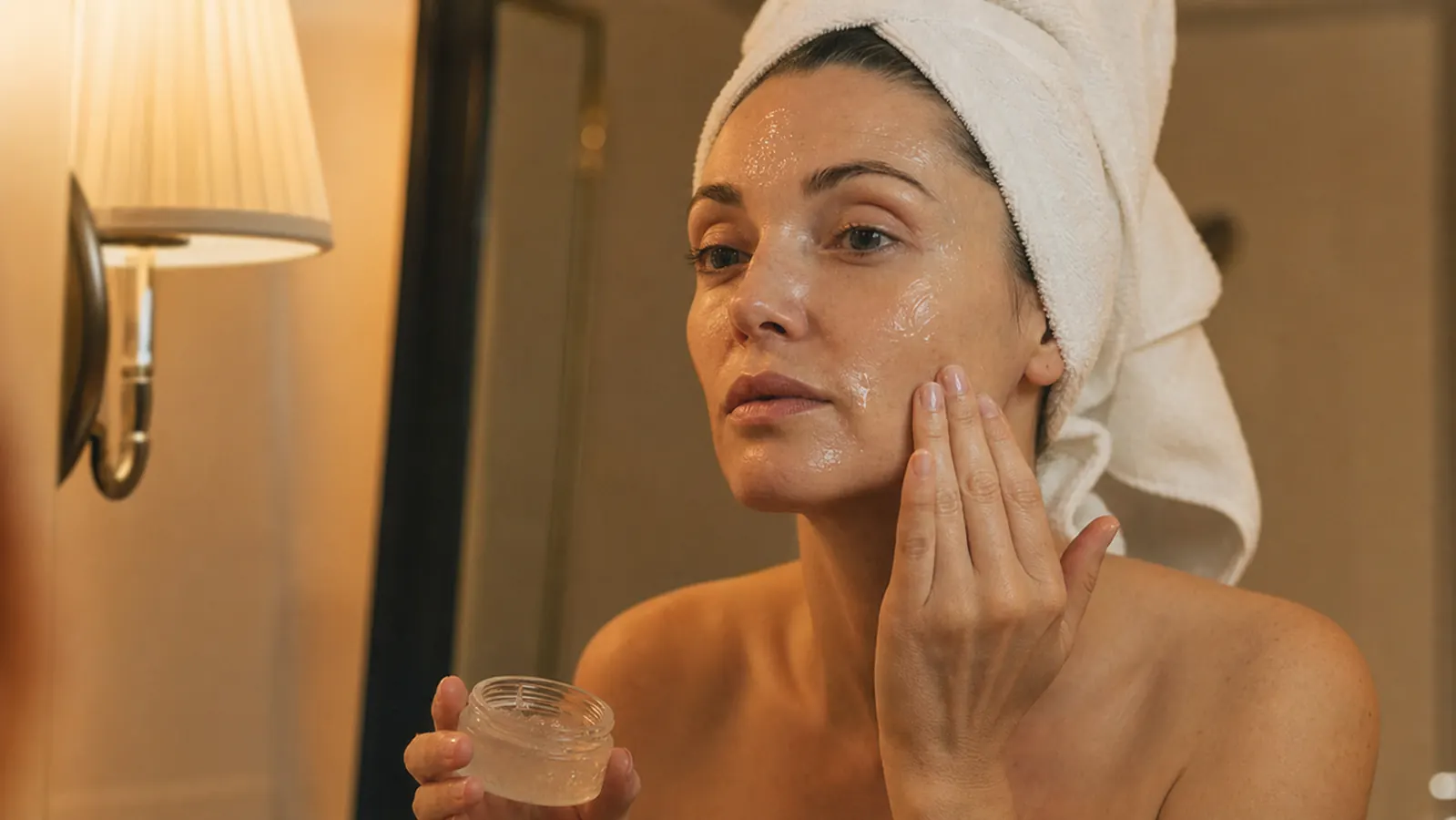
Most people use overnight masks the same way they use moisturizer: they put it on after washing their face and call it a night. Then they wake up, rinse it off, and feel mildly underwhelmed. The skin looks fine. Maybe a little softer. But the firmness and bounce they read about in the reviews? Not quite there. If that sounds familiar, the issue almost certainly is not the mask. It is the setup.
I have been using the BIODANCE Rejuvenating Caviar PDRN Real Deep Mask for about three months now, on myself and as my go-to recommendation for people new to overnight hydrogel masking. It has 45,000-plus reviews on Amazon and a 4.5-star average, and those numbers hold up. But the people who get genuinely visible results tend to follow a specific five-step sequence. Skip steps one and two, and you are essentially wasting the PDRN, the caviar extract, and the peptides inside it. This guide walks you through the full sequence so you do not have to learn it the slow way.
Your skin works hardest between 10 PM and 2 AM. Give it the right tools.
The BIODANCE PDRN Real Deep Mask delivers caviar extract, polynucleotides, and a seven-peptide complex into skin that actually has time to absorb them. Over 45,000 reviews and a 4.5-star average on Amazon.
Amazon Check Today's Price on Amazon →Why Overnight Hydrogel Masks Are Different From Sheet Masks
A standard sheet mask sits on your face for 15 to 20 minutes and then comes off. It delivers a burst of serum quickly, which is great for a short hydration top-up. A hydrogel overnight mask works on a completely different timeline. The BIODANCE mask, for instance, is designed to stay on for six to eight hours. That extended contact time is the whole point: ingredients like PDRN (polynucleotide, the ingredient behind the 'salmon DNA facial' trend) need consistent, prolonged contact with skin to do their job. The hydrogel format also creates a mild occlusive seal, which slows water loss and drives ingredients deeper than a liquid serum alone typically can.
The other difference is what is actually inside. The BIODANCE formulation includes caviar extract (a source of fatty acids and amino acids), PDRN derived from salmon, and a peptide blend targeting collagen and elastin support. These are not cheap filler ingredients. That is part of why prep matters so much: an affordable mask can only do what the skin underneath allows it to do.
Step 1: Double Cleanse, Even If You Think You Do Not Need To
Overnight masks are typically the last step in a routine, which means anything sitting on your skin when you apply them stays there all night. Sunscreen residue, makeup traces, environmental pollutants, and skin oils all act as a partial barrier between the mask ingredients and your skin cells. A single rinse with a water-based cleanser is usually not enough to remove oil-soluble buildup.
Start with an oil cleanser or cleansing balm applied to dry skin, massage for 60 seconds, then emulsify with warm water and rinse. Follow immediately with a gentle water-based foaming or gel cleanser. This two-pass method leaves skin genuinely clean without stripping the barrier. If you have dry or sensitive skin, you can skip the second cleanse on nights when you have not worn makeup or SPF, but the oil cleanse is non-negotiable.
I use a light cleansing oil followed by a low-pH gel cleanser with no fragrance. The whole process takes about four minutes and it is the single step most people skip that would make the biggest difference to their results.
Step 2: Apply a Hydrating Toner or Essence First
This is where a lot of people lose the thread. Freshly cleansed skin is clean but it is also slightly dehydrated, especially if your cleanser is even mildly clarifying. Applying an active mask directly to dehydrated skin means the mask has to do two jobs at once: rehydrate and deliver actives. It cannot do both as well as it does either one alone.
A hydrating toner or watery essence applied first creates what the K-beauty community calls a 'moisture sandwich' base. You are flooding the surface with water-binding ingredients (glycerin, hyaluronic acid, beta-glucan) before the mask goes on. This primes the skin so that when the PDRN and peptides from the BIODANCE mask make contact, they are going into a receptive, plumped surface rather than a parched one.
Pat a small amount of toner into skin with your hands rather than a cotton pad, which absorbs too much product. Wait 20 to 30 seconds for it to sink in before the next step. If your skin is very dry, you can layer two thin rounds of toner using the 7-skin method. Do not rush this step.
Step 3: Optional But Worthwhile: Add a PDRN Serum Underneath
The BIODANCE mask is substantive enough to work on its own, and for many people it is all they need. But if you are targeting visible firmness loss, fine lines around the mouth or forehead, or general skin texture, layering a thin PDRN or peptide serum underneath can meaningfully amplify results.
The logic is layering from thinnest to thickest. A serum has a lighter molecular weight and penetrates quickly. The hydrogel mask then creates an occlusive layer on top, slowing the evaporation of the serum and holding everything in contact with skin for hours. Think of it as using the mask as a delivery system for whatever you put underneath it.
A few things to avoid here: skip vitamin C, active retinol, or AHA and BHA acids underneath. These can interact unpredictably under occlusion and may cause irritation by morning. Stick to calming, hydrating, or peptide-focused serums for overnight use. If you are new to this routine, start with toner only underneath the mask for the first two or three weeks and see how your skin responds before adding a serum.
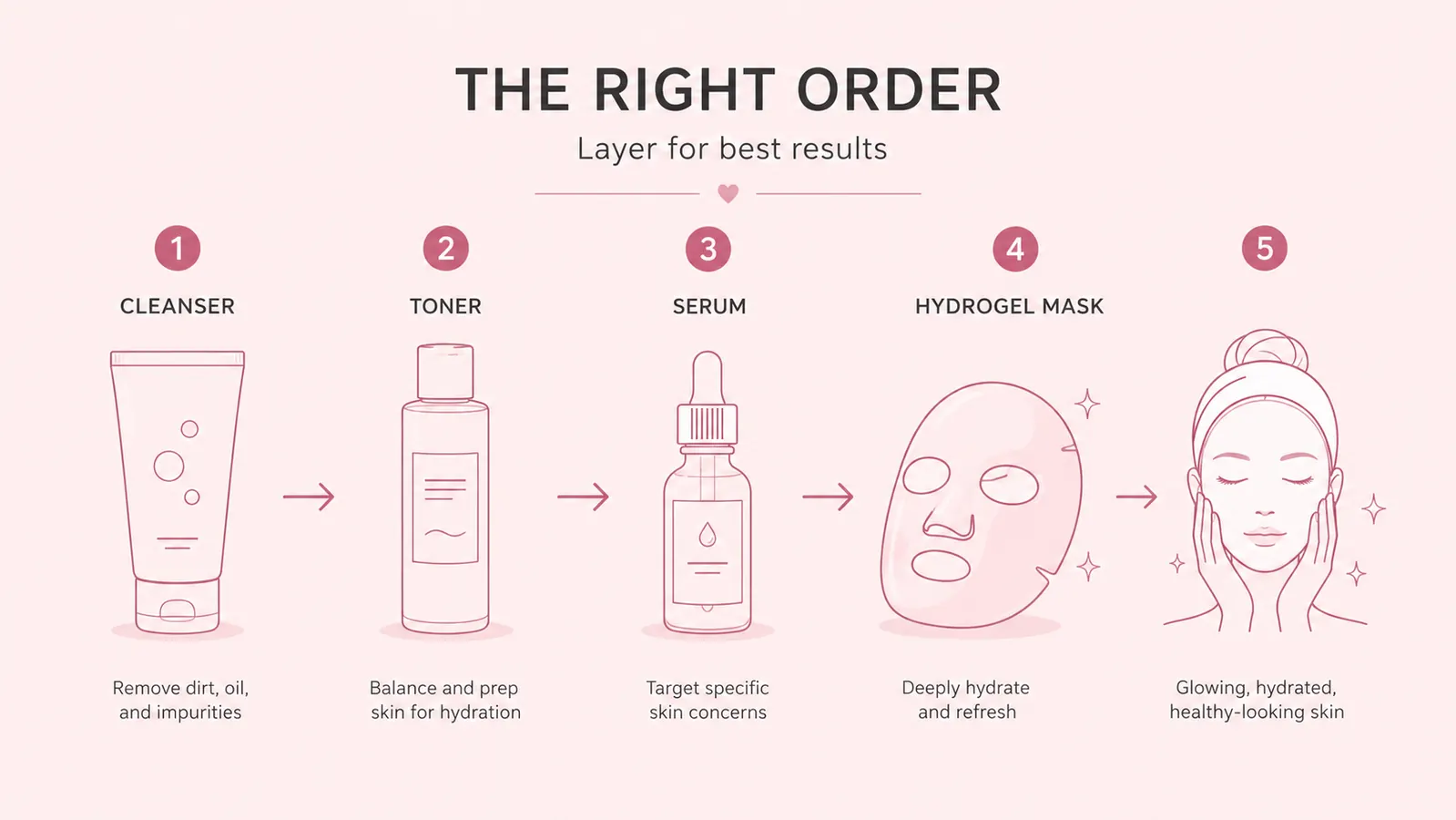
Step 4: Apply the BIODANCE Mask Correctly
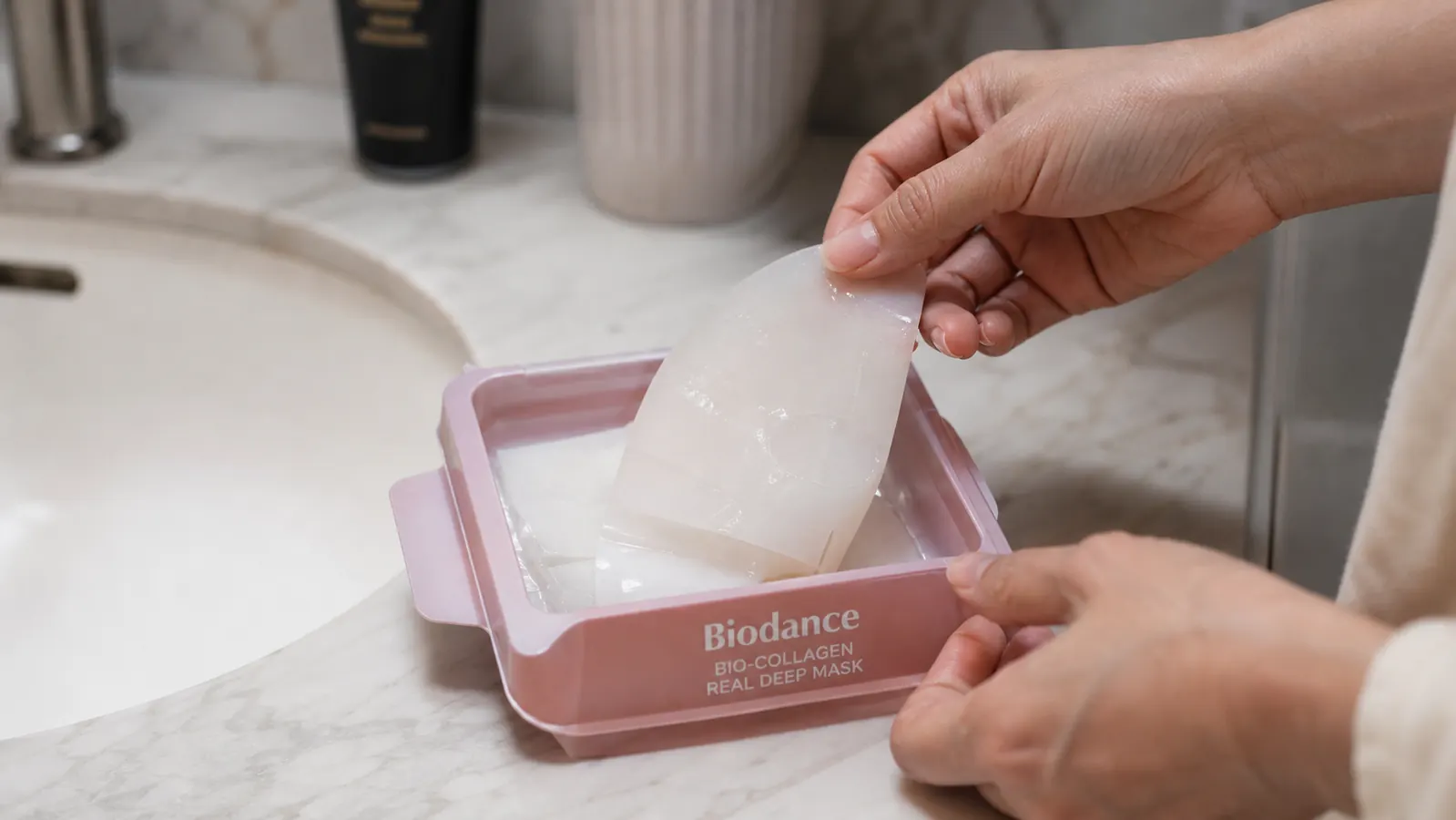
Open the BIODANCE packaging and you will find a translucent hydrogel disc inside a tray with a small amount of essence. Unfold it gently: the mask comes in two pieces (upper and lower face) that you press together across the nose bridge. Apply the lower piece first, centering it over your mouth and chin area, then lay the upper piece over your cheeks, nose, and forehead. Press lightly around the eye area and nose so there are no air gaps.
A few things worth knowing. First, you can use the leftover essence in the tray on your neck or the back of your hands. Second, the mask should feel cool and slightly heavy when it first goes on; that cooling sensation is normal. Third, if you tend to be a side sleeper, the mask may shift during the night. Lying on your back for the first 20 to 30 minutes while you wind down (reading, watching something, scrolling) helps the mask adhere before you commit to a sleep position.
The people who see real firmness results from overnight masking are not using a better product. They are using the same product with a better setup underneath it.
Step 5: Wake Up, Remove, and Do Not Skip the Final Pat-Down
In the morning, peel the mask off gently starting from the edges. Your skin will likely have a visible layer of residual essence on it, and this is exactly what you want to keep. Do not rinse. Instead, pat the remaining essence into your skin with clean fingertips until it is mostly absorbed. This is essentially free serum, and it contains the same active ingredients from the mask. Rinsing it away is leaving results in the sink.
After the pat-down, wait two to three minutes, then continue with your morning routine: eye cream, moisturizer, and SPF. On BIODANCE mask mornings I typically skip my standalone serum because the residual essence has already done that job. Skin usually feels noticeably more plump and firm within the first 30 minutes after waking, and that is a good indicator the routine is working.
If your skin feels tacky or sticky after the pat-down, you used too much product at earlier steps. Dial back on the toner or serum slightly next time. The finish should feel smooth and slightly dewy, not slick.
How Often Should You Use an Overnight Hydrogel Mask?
The BIODANCE mask recommends two to three times per week for most skin types. I have found that for people 35 and up who are specifically targeting firmness, three times a week delivers noticeably better cumulative results than once a week. That said, if you have sensitive or reactive skin, start at once a week for the first month and watch how your barrier responds. There is no benefit to pushing frequency higher than every other night; skin needs time to process and respond between treatment sessions.
If cost is a consideration, the Amazon listing comes in packs, and buying a multi-pack brings the per-mask price down to a range where three sessions a week is genuinely sustainable. The per-session cost puts it well below most in-office skin treatments targeting the same concerns.
What Else Helps
A few additions that compound results without complicating the routine. Sleeping on a silk or satin pillowcase reduces friction against the mask and is better for skin generally. Keeping your bedroom slightly cool (around 65 to 68 degrees Fahrenheit) slows overnight water loss and helps active ingredients stay on skin rather than evaporating. Drinking adequate water during the day means your skin arrives at night in a better baseline state; hydration cannot be fixed entirely from the outside.
For people targeting firmness specifically, pairing overnight masking with a peptide-based daytime moisturizer gives the ingredients a longer total contact window across the full 24-hour cycle. The ANUA PDRN cream is one I often recommend for this pairing because the textures do not compete and the ingredient profiles complement each other well. You can read more about it in the Anua PDRN Moisturizing Cream review.
One thing that does not help: using the mask more than recommended hoping for faster results. Skin firmness changes are driven by collagen remodeling, which happens on a six- to twelve-week cycle. This is a long game, not a weekend fix. Use the mask consistently at two to three times per week for eight weeks before making any judgment about whether it is working.
What Results to Realistically Expect and When
In the first week, most people notice better morning hydration and a slightly more rested-looking complexion. This is the water-binding and overnight repair work showing up quickly, and it is real. But it is also the easy part.
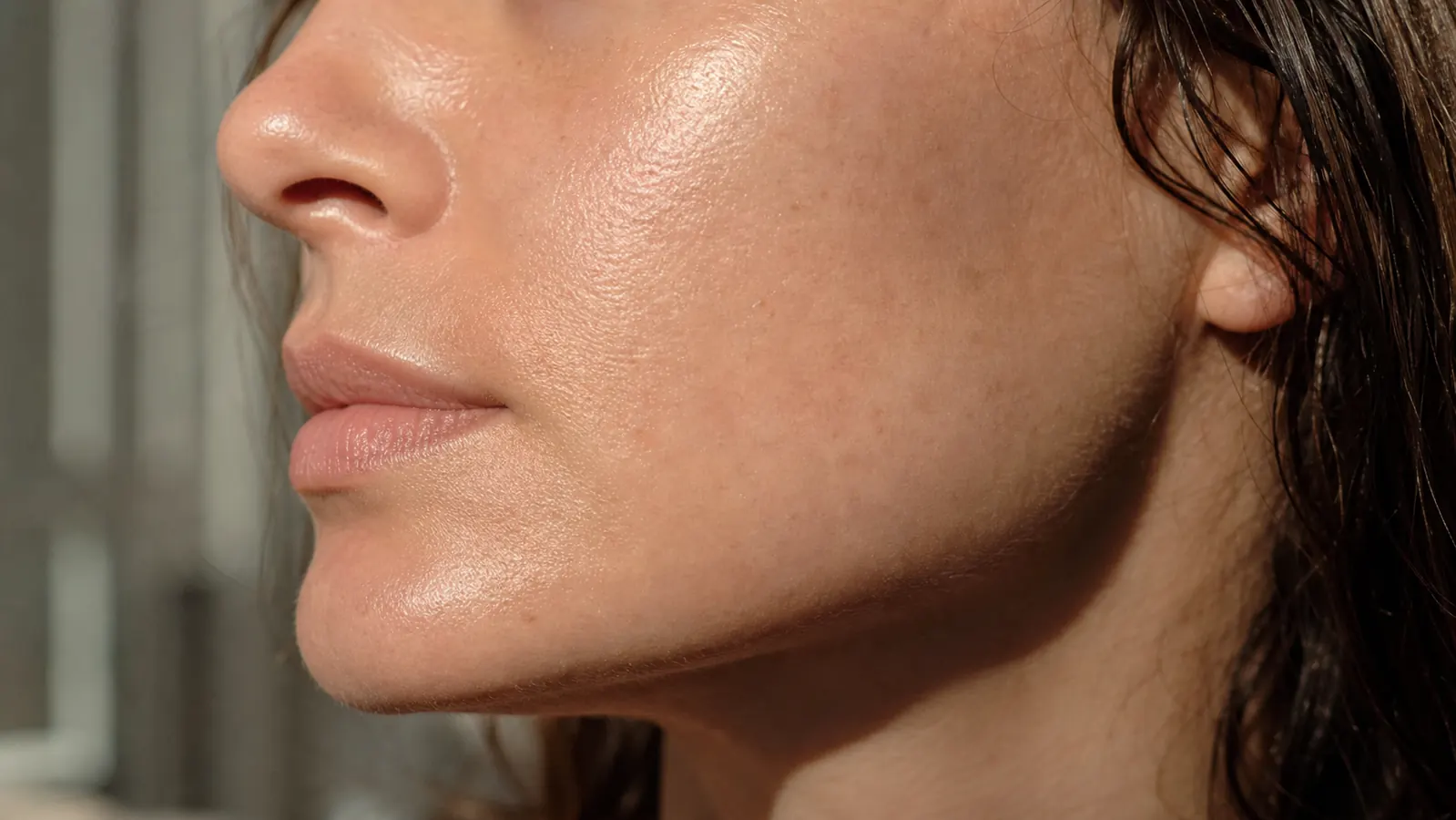
Between weeks four and eight is when structural changes typically start becoming visible: skin looks a little firmer along the jawline and cheekbones, fine lines around the mouth appear slightly softer, and overall texture improves. These changes are subtle in week four and more noticeable by week eight. If you are tracking progress, taking a no-makeup photo in consistent lighting once a week is more useful than checking your reflection daily, where changes are too gradual to register.
If you are curious about the long-form experience with this mask, including before-and-after skin texture observations from eight weeks of nightly use, the full BIODANCE PDRN mask review covers that in detail. The how-to here gets you set up correctly; the review tells you what to expect across a full use cycle.
Ready to put the routine into practice? The BIODANCE mask is where most people start.
BIODANCE Rejuvenating Caviar PDRN Real Deep Mask. Caviar extract, polynucleotides, a seven-peptide complex. 4.5 stars across more than 45,000 Amazon reviews. Check today's price and pick up enough to run the full eight-week test.
Amazon Check Today's Price on Amazon →